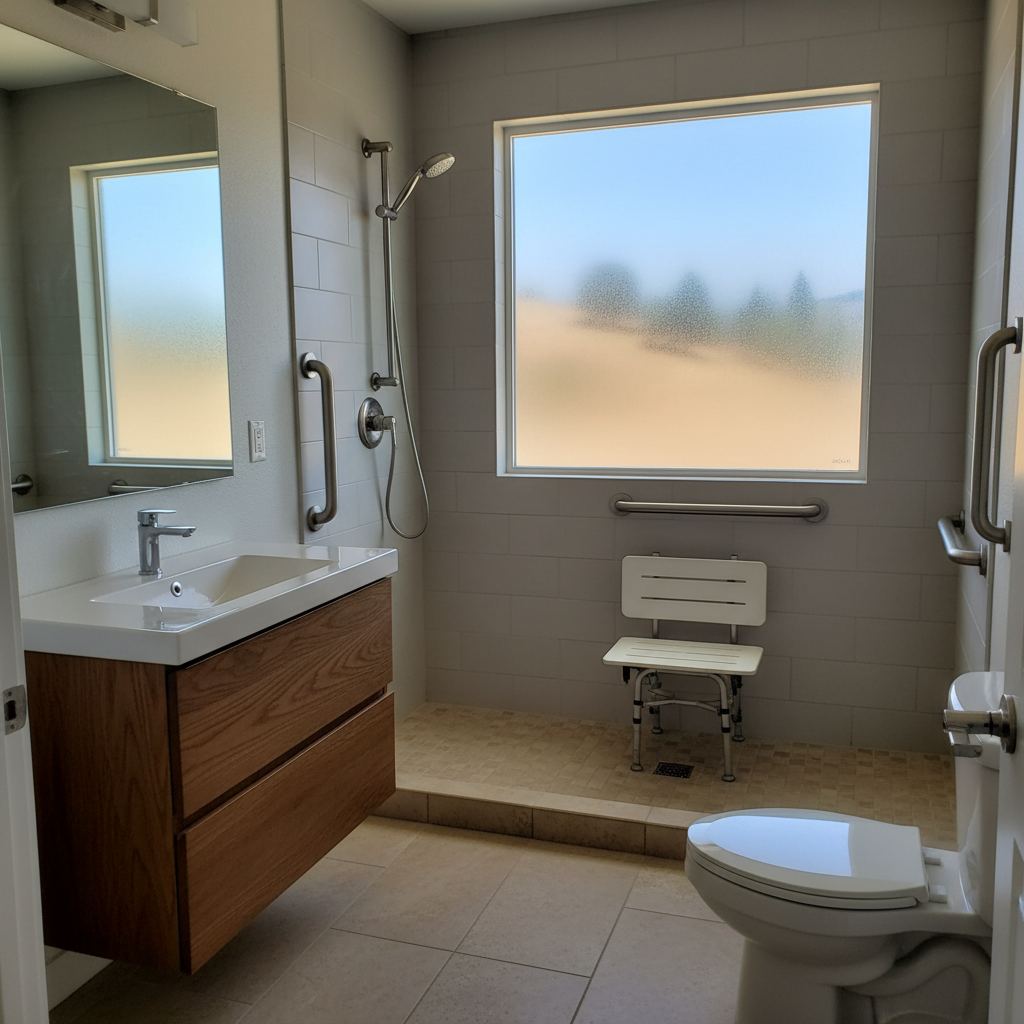
You're looking to make your bathroom more accessible, whether it's for aging in place, a family member with mobility challenges, or just future-proofing your home. That's a smart move. But I've seen folks in El Dorado Hills make some pretty common, and often costly, mistakes when they dive into these projects.
Mistake #1: Not Planning for the Future (or the Present)
This is probably the biggest one. People often think, "I just need a grab bar here" or "A ramp will fix it." But accessibility isn't just one thing; it's a system. Are you planning for someone who uses a walker now, or someone who might need a wheelchair later? The difference in planning for a roll-in shower versus a standard shower with a grab bar is huge, both in cost and construction.
I've seen homes in Serrano and other areas where they did a partial accessible remodel, only to realize a few years later that the doorways weren't wide enough, or the toilet wasn't high enough, or the turning radius for a wheelchair was completely inadequate. You end up tearing things out and redoing them, which is a waste of time and money. Think about the long game. What's the worst-case scenario you're trying to accommodate? Plan for that, and everything else will be easier.
Mistake #2: Focusing Only on the Bathroom Itself
An accessible bathroom isn't an island. How do you get to it? If you've got a fantastic roll-in shower, but the hallway leading to it is too narrow for a wheelchair, or there's a step up into the bathroom, you've missed the point. We're talking about the whole path of travel.
Consider door widths. Standard interior doors are often 28-30 inches, but for true wheelchair accessibility, you're usually looking at 32-36 inches. That might mean moving a wall, which is a much bigger job than just swapping out a toilet. Think about flooring transitions too – any lip or change in height can be a tripping hazard or an obstacle for wheels. Even the height of light switches and outlets matters. It's all part of creating a truly functional space.
Mistake #3: DIYing Critical Structural or Plumbing Elements
I get it, you're handy. A lot of folks in El Dorado Hills are. And for some things, DIY is great. But when it comes to an accessible bathroom, you're dealing with safety and often structural integrity. Installing a grab bar isn't just screwing it into drywall; it needs to be anchored directly into studs or with proper blocking. If it's not, it's a fall waiting to happen.
Then there's the plumbing. Moving a toilet or shower drain for a roll-in shower often means breaking into the slab or subfloor. This isn't a weekend warrior project. Messing up the slope of a drain, or not properly waterproofing a shower pan, can lead to leaks, mold, and thousands of dollars in repairs down the line. I've seen it happen. Don't risk it. For these critical elements, you need licensed professionals who understand code and proper installation techniques.
Mistake #4: Not Vetting Your Contractor Properly
This goes hand-in-hand with the DIY mistake. Not every contractor understands accessible design. Just because someone can remodel a kitchen doesn't mean they know the nuances of ADA compliance or universal design principles. You need someone who has specific experience with accessible bathrooms.
When you're getting bids, ask specific questions:
- Have you done roll-in showers before? How do you handle the slope and waterproofing?
- What are your recommendations for grab bar placement and reinforcement?
- Do you understand the required turning radius for a wheelchair?
- Can you show me examples of other accessible projects you've completed?
Check their references, look at their past work, and make sure they're licensed and insured. Don't just go with the cheapest bid. A contractor who truly understands accessible design will often save you money in the long run by doing it right the first time. Here at Pacific Bathroom & Kitchen, we've seen enough projects done incorrectly to know the value of doing it right from the start.
Mistake #5: Overlooking the Details (and the Budget)
It's easy to get caught up in the big picture items like the shower and toilet. But the small details make a huge difference in usability and safety. Think about things like lever handles instead of knobs, rocker light switches, non-slip flooring (especially important where water is involved), and even the placement of towel bars so they're within reach from a seated position.
And all these details add up. Accessible remodels can often be more complex and thus more expensive than a standard remodel because of the specialized fixtures, wider doorways, and potential structural changes. Don't underestimate the budget. Get detailed quotes, understand what's included, and always have a contingency fund for unexpected issues – especially in older homes where you might uncover surprises once walls are opened up.
An accessible bathroom should enhance independence and safety, not create new headaches. By avoiding these common mistakes, you'll be well on your way to a functional, beautiful, and truly accessible space that serves your needs for years to come.